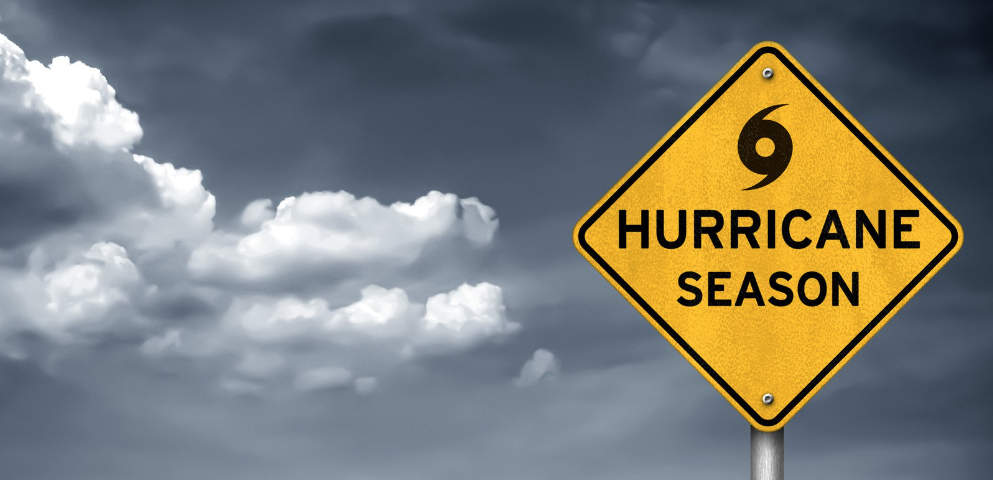
Living in southwest Florida means enjoying beautiful weather and stunning coastlines, but it also means we must be vigilant during hurricane season. Many of us have been fortunate to never experience hurricane-related devastation, which can easily cause complacency. However, with some local areas experiencing significant damage from hurricanes in recent years, it's clear that these storms are unpredictable, and it's always better to be prepared for the worst-case scenario. The following tips are designed to help you be ready for any eventuality—better to have these preparations in place and not need them than need them and not have them.
1. Stay Informed
Keeping yourself updated with the latest weather forecasts is crucial. Reliable sources include the National Hurricane Center (NHC), local news stations, and weather apps. Sign up for emergency alerts to receive real-time updates on your phone.
2. Create an Emergency Plan
Discuss and draft a detailed emergency plan with your family. This plan should include:
- Evacuation Routes: Identify multiple routes in case one is impassable.
- Communication Plan: Ensure all family members know how to reach each other and have a designated meeting spot.
- Pet Plan: Don't forget to include your pets in your emergency plan. Ensure your evacuation destination allows pets.
3. Assemble an Emergency Kit
Preparing an emergency kit is essential for surviving during and after a hurricane. Here's a more detailed list of items to include:
- Water: At least one gallon per person per day for drinking and sanitation. Don't forget water for your pets.
- Non-perishable Food: Enough to last at least three days. Include items such as canned meats, fruits, and vegetables, protein bars, peanut butter, dried fruits, nuts, crackers, and comfort food like chocolate or coffee.
- Manual Can Opener: To open your canned food without electricity.
- First Aid Kit: Include bandages, antiseptic wipes, adhesive tape, scissors, tweezers, a thermometer, pain relievers, and any prescription medications.
- Personal Hygiene Items: Toothbrushes, toothpaste, soap, deodorant, moist towelettes, feminine hygiene products, and diapers if you have young children.
- Flashlights and Extra Batteries: Avoid using candles due to fire risk.
- Battery-powered or Hand-crank Radio: To stay informed if the power goes out.
- Cell Phone with Chargers and Backup Batteries: Consider solar chargers as an alternative power source.
- Multi-tool or Swiss Army Knife: Useful for a variety of tasks.
- Important Documents: Keep copies of birth certificates, passports, insurance policies, medical records, and bank account records in a waterproof container.
- Cash and Coins: ATMs and credit card machines may not be operational.
- Local Maps: In case you need to navigate without GPS.
- Emergency Blankets and Sleeping Bags: To keep warm if the weather turns cold.
- Extra Clothing and Sturdy Shoes: Pack weather-appropriate clothing and durable shoes.
- Whistle: To signal for help if needed.
- Dust Masks: To filter contaminated air.
- Plastic Sheeting and Duct Tape: To seal windows and doors if necessary.
- Books, Games, or Other Entertainment: To keep morale up during extended periods without power.
4. Prepare Your Home
Securing your home against a hurricane can significantly reduce the risk of damage. Here’s a more detailed breakdown of steps to take:
- Inspect and Repair: Examine your home for any structural weaknesses. Repair loose shingles, siding, and windows. Reinforce doors, especially garage doors, which are particularly vulnerable during storms.
- Install Storm Shutters: If you live in a hurricane-prone area, installing storm shutters is a wise investment. These can be permanent fixtures or temporary solutions like plywood. Ensure you have all the necessary hardware and tools to install them quickly.
- Secure Outdoor Items: Bring in all outdoor furniture, grills, and other loose items. These can become dangerous projectiles in high winds. If items cannot be moved indoors, anchor them securely.
- Trim Trees and Shrubs: Regularly trim trees and shrubs around your property to minimize the risk of branches breaking off and causing damage. Remove dead or dying trees that could fall on your home.
- Check Gutters and Drains: Clear your gutters and downspouts of debris to ensure proper water flow and reduce the risk of flooding.
- Roof Inspection: Ensure your roof is in good condition. Replace any damaged or missing shingles. Consider hurricane straps to help keep your roof attached to the walls of your home.
- Garage Door Reinforcement: If your garage door is not hurricane-rated, consider reinforcing it with braces or installing a new, more secure door.
- Backup Power Source: Invest in a generator to keep essential appliances running during a power outage. Make sure you know how to operate it safely and have enough fuel stored properly.
- Sandbags: If you live in a flood-prone area, stockpile sandbags to place around doors and low-lying areas to help prevent water from entering your home.
- Review Insurance Coverage: Verify that your homeowner’s insurance policy includes coverage for hurricane-related damage. Flood insurance is typically a separate policy, so ensure you have that if you’re in a flood-prone area. Keep an updated inventory of your possessions with photos or videos for insurance claims.
5. Know When to Evacuate
If local authorities issue an evacuation order, it’s imperative to comply. Delaying evacuation can put your family at risk. Familiarize yourself with local evacuation routes and have a list of shelters or hotels.
6. After the Storm
Once the hurricane has passed, continue to exercise caution. Follow these steps:
- Wait for Official Updates: Do not return home until authorities declare it safe.
- Inspect for Damage: Check your home for structural damage, gas leaks, and water damage.
- Document and Report: Take photos of any damage and contact your insurance company to file a claim.
- Avoid Flood Waters: Flood waters can be contaminated and pose health risks. Avoid walking or driving through them.
Conclusion
Preparation is the key to weathering the storm season safely. By staying informed, having a solid plan, and taking proactive steps to protect your home, you can significantly reduce the risks associated with hurricanes. Remember, it’s always better to prepare for the worst while hoping for the best.
Feel free to reach out if you have any questions or need recommendations for resources to assist with your hurricane preparedness or recovery - we have plenty! Stay safe, Florida!
:format(webp):quality(80)/u.realgeeks.media/soldbynold/facebook.png)
:format(webp):quality(80)/u.realgeeks.media/soldbynold/youtube.png)
:format(webp):quality(80)/u.realgeeks.media/soldbynold/twitter.png)
:format(webp):quality(80)/u.realgeeks.media/soldbynold/linkedin.png)